


Christmas is like magic. Let it be the festive sparkle all around, the smells of freshly baked cookies, the silly outfits our friends wore to that Christmas party or just the way this time of the year makes us travel back to our childhood. Somehow, this merry Season reminds us that we are all just grown up children and nothing is nicer than sharing this beautiful feeling with the ones we love. Especially our fur kids. But then, there are also some things to be aware of, as this is also a very tempting time for little four-legged explorers. From the ornaments in the tree, to the flickering candle light and all these yummy left-overs in the kitchen...
These are Cooka's tips on a pet-safe Woofmas

Tempting and dangerous foods all around
Chocolate We all know the dangers of chocolate for pets, but this time of the year has the most incidents, so please be aware with sweets around. No nibbling for the kids. In case your child was naughty and stole some sweets, here is a toxicity calculator that might help in an emergency. As a rule: so darker (and healthier for us), so more dangerous. White chocolate is actually NOT chocolate and pretty harmless. Grapes and raisins Commonly used for Christmas meals, both versions are extremely toxic for our kids. Raisins are also used in Christmas bakes, so always check the ingredients before sharing a small piece of yumm with your pet.Macadamia nuts
Often used in biscuits or eaten as a special Christmas snack, these delicious nuts cause severe illness in dogs.
Sugar A bit of sugar might not harm our pets, but it is not healthy and neither advisable to feed. A high dose of sugar however can harm our pets and upset the balance of those important micro-organisms living in the gut and may lead to diarrhea – sometimes explosive, sometimes bloody, and sometimes there might be even vomiting. Artificial sugar - Xylitol "Xylitol is extremely toxic to dogs. Even small amounts can cause hypoglycemia (low blood sugar), seizures, liver failure or even death in dogs. This fake sweetener is often hidden in 'healthy' foods, as it lowers the calorie count. Cats however seem to be immune to these dangers. Leftover bones It is very tempting to give our dogs the remains of the Christmas dinner, but just remember that bones can and do kill. When bones are cooked they become very brittle and when a dog chews them they splinter into needle sharp pieces. These pieces can become stuck in the stomach or intestines and can perforate the bowel, which is life threatening! Be also careful of little thieves searching the kitchen or trash bin for leftovers...Be aware of toxic Christmas plants
Poinsettia Although toxicity of the poinsettia has often been exaggerated, it can cause irritation to the mouth and stomach with overproduction of saliva and sometimes vomiting. Holly The plant is considered to be of low toxicity, but ingestion of holly berries may result in a stomach upset. Mistletoe Ingestion of European mistletoe berries may result in an upset stomach. The American species of the plant is the more dangerous. (but mommy and daddy can still kiss beneath...) Ivy The ivy that tends to be used in wreaths and decorations is Hedera helix (not Toxicodendron radicans, the American poison ivy). But the Hedera species can still cause a tummy upset when ingested. Where there is significant or prolonged skin contact, Hedera species can also cause both irritant and allergic contact dermatitis.

Christmas tree dangers
Christmas trees have sharp needles which can get stuck in our kid's paws. Some species might also be slightly toxic if ingested. At Cooka's we prefer an artificial tree. It is safer for our fur-family and we don't have to cut a tree. A strong tree base is very important if you are a 'pawrent'. Make sure the tree is really well secured, preferably with a metal base instead of a flimsy plastic one. We heard that some pet-parents even tie the tree to the ceiling, just in case...!

Many cats will feel compelled to climb Christmas trees, endangering themselves. It is advisable to ensure trees are securely based so that they are less likely to fall down from a curious cat. Limiting access to the XMAS room unless you are there too, might a good idea. Christmas balls are of particular fascination to cats. Fragile glass baubles can break easily, which is very dangerous for our animals. Some naughty dogs have been known to chew baubles and other decorations, which can lead to lacerations in the mouth or intestinal blockages. Toxic paints and materials can also be a hazard. Cooka recommends to use wooden old-fashioned decorations or to make your own ornaments from paper or salt-dough. Fairy lights pose another danger, as our pets can get tangled up in the wires. If chewed on the bulbs can pose severe threats to our kids, especially since there is electricity involved. Edible decorations are of course always going to be of interest to little fur-kids, and even placing them as high up as possible, might not stop their 'explorer instinct'... TIP: A great way to keep especially cats away from your tree is to use orange peel or citrus essential oils around it. Cats hate the smell of citrus and orange fruit. Another idea is to create an 'alarm'. Place tin foil or plastic wrap covered with a pretty cotton blanket around the tree's base. If your dog or cat starts nosing around the tree, you’ll hopefully hear it in time to prevent chaos. Most cats actually dislike the sensation of tinfoil on their claws too, so they’ll be much less likely to attempt to climb it.

Snow Globes
Really? Snow globes? Those magical glass balls we used to love watching when we were young? yes. Those snow-globes are rather dangerous, especially to cats. Besides the dangers of broken glass, some less quality versions may contain anti-freeze and as little as one tablespoon can be fatal for a cat.

Fireplace
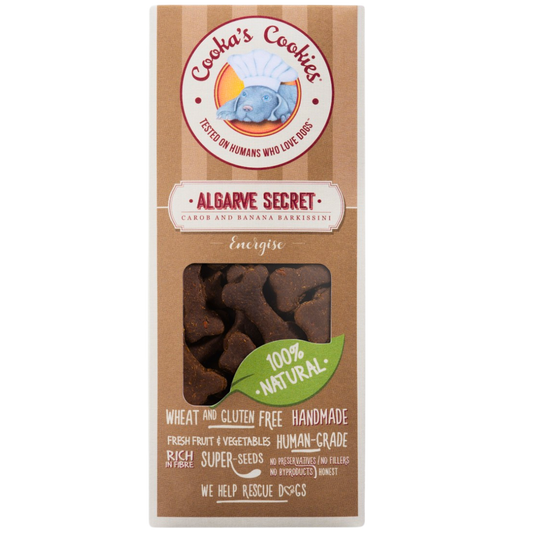
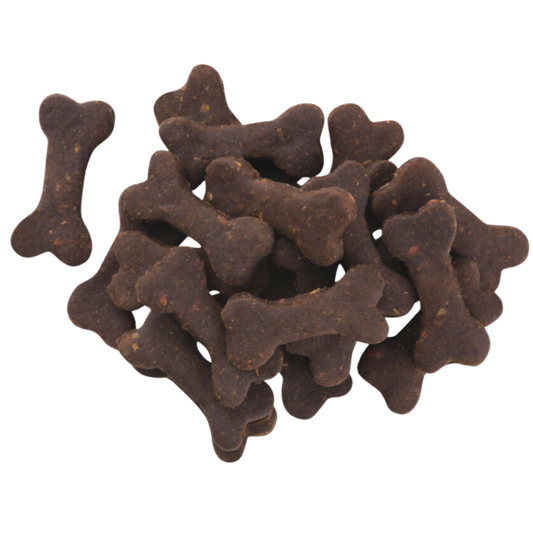
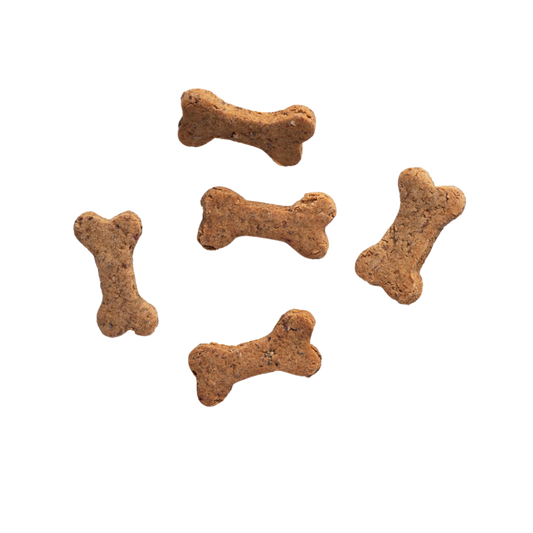
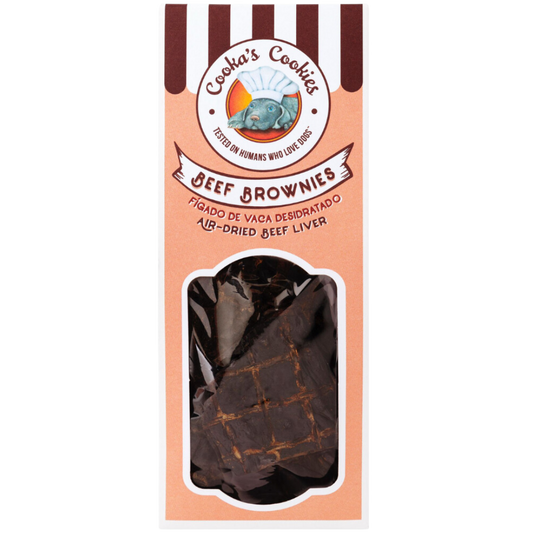
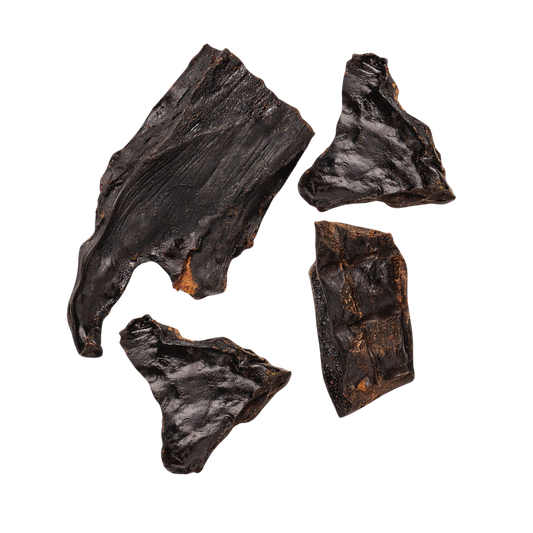
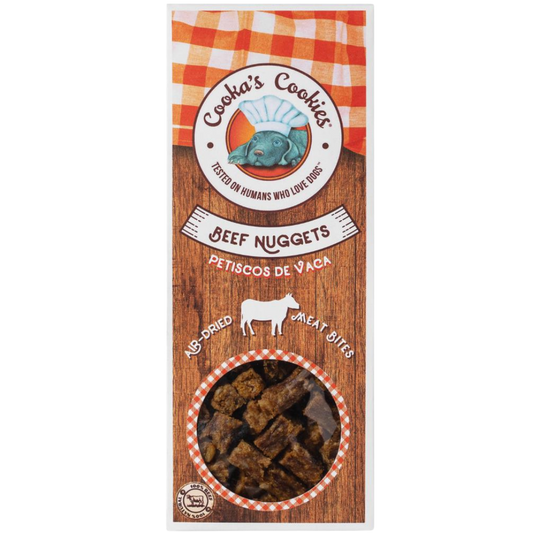
Oh, who dosen't love to snuggle next to an open fire. But we ask you, please never leave your pets alone around fire — no matter if a fireplace or wood stove is burning, when you leave the room, take the kids with you. Even if your fireplace has a mesh covering or glass doors, nosy pets still can get burns from coming into contact with those hot surfaces MERRY XMAS EVERYPAWDY. And no matter if you wer naughty or nice, we sure believe every doggie always deserve a special treat. Our favourite biscuit for this festive season is Liver Pate. Made from freshly cooked and highly nourishing liver, plenty of apples - which are rich in fibre and important for the digestive health, mixed berries - little antioxidant super-fruit and cinnamon, a spice which helps to regulate the blood sugar.


Do you want a discount?

Join our newsletter for tail-wagging news, purr-fect updates, and exclusive treats just for you!
Related Posts

Valentine's and that secret ingredient called LOVE
Valentine’s Day for Our Pets, If you are anything like us here...

Celebrating Day of Colours
Dogs and their different fur colours Dog fur can come in so many...

The Moon Cycle
The mysterious power of the Moon. We are all aware of the moon’s...

Autumn
AUTUMN is here, and it brings so much joy to my mind. The...